

History of Art and Architecture at Trinity
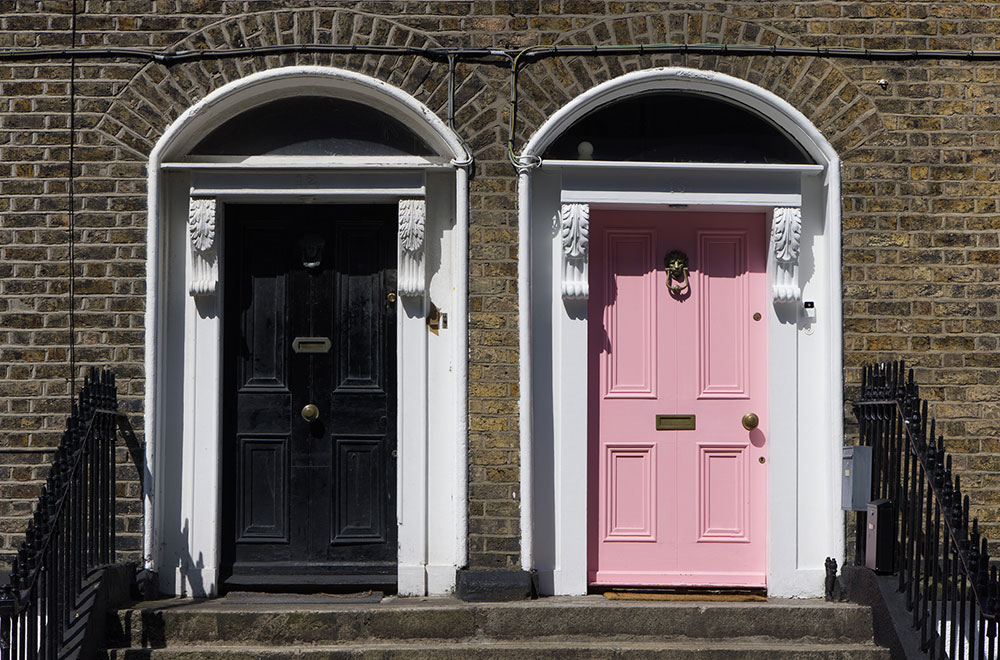
Established in 1966, the Department of History of Art and Architecture has a longstanding tradition of teaching and research from the early Middle Ages to the twenty-first century, and across a wide range of geographical and cultural contexts.
The undergraduate curriculum combines a foundation in global art and architectural history with specialised modules on a range of different subjects. Teaching reflects the diverse research interests of the Department’s academic staff and includes small-group teaching, close analysis of works of art and architecture, and visits to museums, collections and historic sites.
The Department’s research interests are equally broad. They include medieval Irish art, architecture and manuscript culture; medieval religious imagery and visual culture; Italian Renaissance art, prints and drawings; Islamic art, architecture and material culture, particularly in medieval Spain and North Africa; and Japanese art and craft traditions. Research in Irish art encompasses painting, printmaking, illustration, design and exhibition culture from the nineteenth century to the present, while other areas of expertise include modernist and contemporary painting, the history of collecting and curating, and the relationship between artistic practice and cultural change.
The Department also has particular strengths in architectural history, including medieval Irish architecture, modern Italian architecture, and early modern architectural theory, books and the movement of architectural ideas between Europe and its colonies. Further research explores global art histories, the relationship between art, science and belief, the history of images and their uses, and the intersections of art, design, technology and environmental thought. These interests inform the Department’s teaching, publications, research projects and seminars.
At postgraduate level, the Department offers the taught Masters (M.Phil.) in History of Art and Architecture and supports a community of MLitt and doctoral researchers working across a variety of periods, subjects and methodologies. The Department’s graduates pursue careers in galleries and museums, cultural heritage, publishing, the art market, education, research and journalism, as well as in a broad range of administrative, commercial and media-related professions.
Situated in the heart of Dublin, Trinity College provides an exceptional context for the study of art and architecture. The National Gallery of Ireland, the National Museum of Ireland, the Royal Hibernian Academy and the Chester Beatty are all within easy reach, offering important collections for the study of art and material culture. The College campus itself provides an extensive resource for architectural history, with buildings ranging from the early Georgian period to contemporary architecture.
Students and researchers also benefit from Trinity's collections of manuscripts, printed books, paintings and sculpture, as well as the Douglas Hyde Gallery, an important centre for contemporary art on campus. Together, these institutions and collections provide valuable opportunities for the study of works of art, objects, buildings and their historical contexts.